I went to Iceland expecting fire and ice. I wanted to see lava flowing, glaciers cracking, the whole dramatic show. Instead, the lava flow stopped two weeks before I arrived. Two weeks. Of all the timing.
But Iceland has a way of surprising you. On a rainy, grey day the kind where outdoor plans quickly fall apart someone suggested the lava tunnel. And honestly? It turned out to be one of the most memorable things I did on the entire trip.
Raufarhólshellir, also known simply as The Lava Tunnel, is one of Iceland’s most famous lava tubes and sits just a 30-minute drive from Reykjavík. It erupted over 5,000 years ago and walking through it feels exactly like that. Ancient, otherworldly, and completely unlike anything above ground.
A Walk Through Time in the Iceland Lava Tunnel
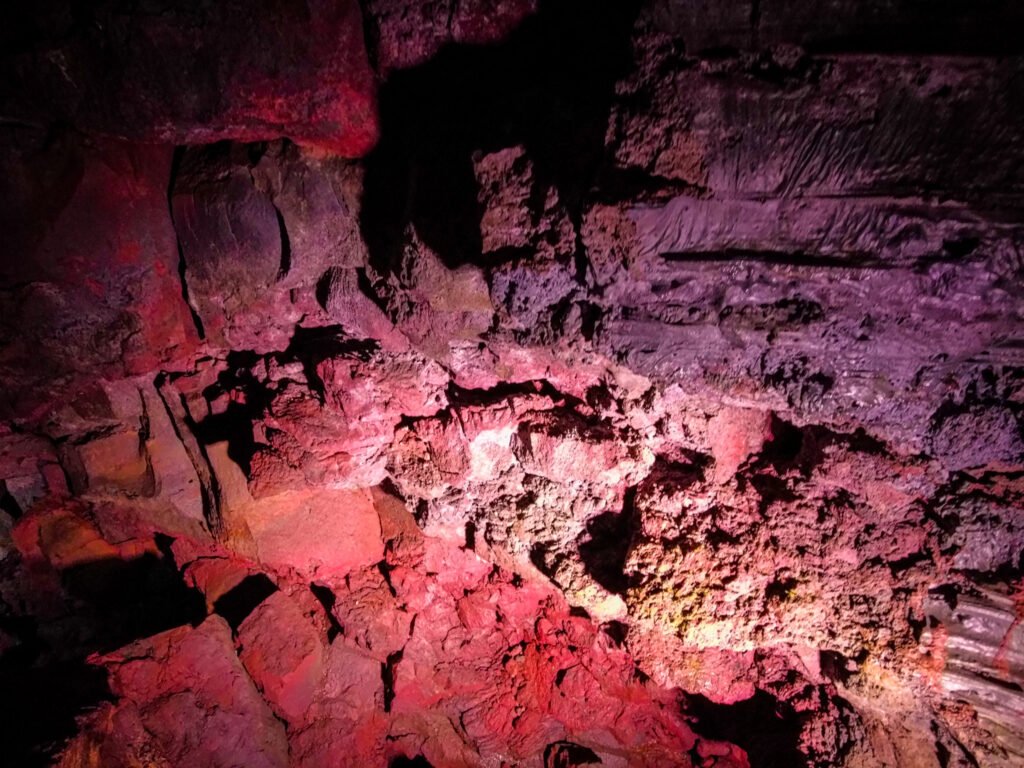
The moment you step inside, everything changes. The noise of the outside world disappears. The air cools. And then your eyes adjust to something extraordinary.
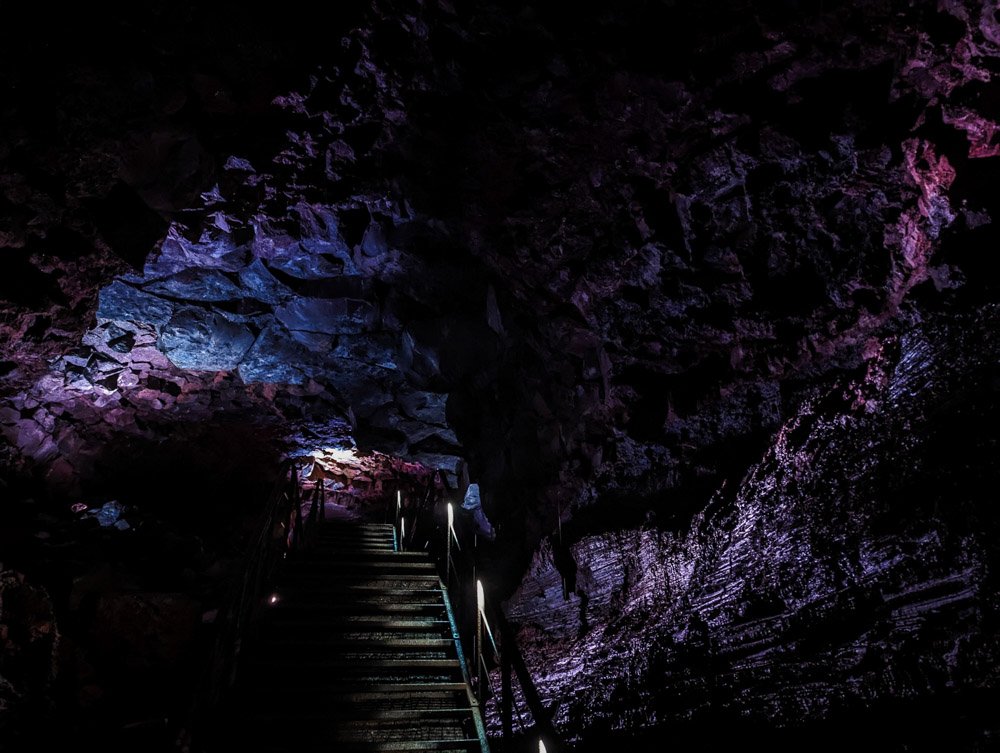
The walls of the tunnel tell a story in colour. Reds, oranges, deep blacks, flashes of yellow and even hints of green line the rock and none of it is painted or staged. Everything you see is the result of minerals and volcanic chemistry working over thousands of years. Iron oxide gives the rock its warm red and orange hues. Sulphur creates the vivid yellows. Copper introduces touches of green and blue. The result is a natural colour gallery, painted by the earth itself and only visible when your flashlight hits the rock at the right angle.
The tunnel is dark properly dark with lighting installed only at specific points along the walkway. Furthermore, when your guide turns everything off at a certain point in the tunnel, you experience a level of darkness that is genuinely disorienting. There is nothing quite like it.
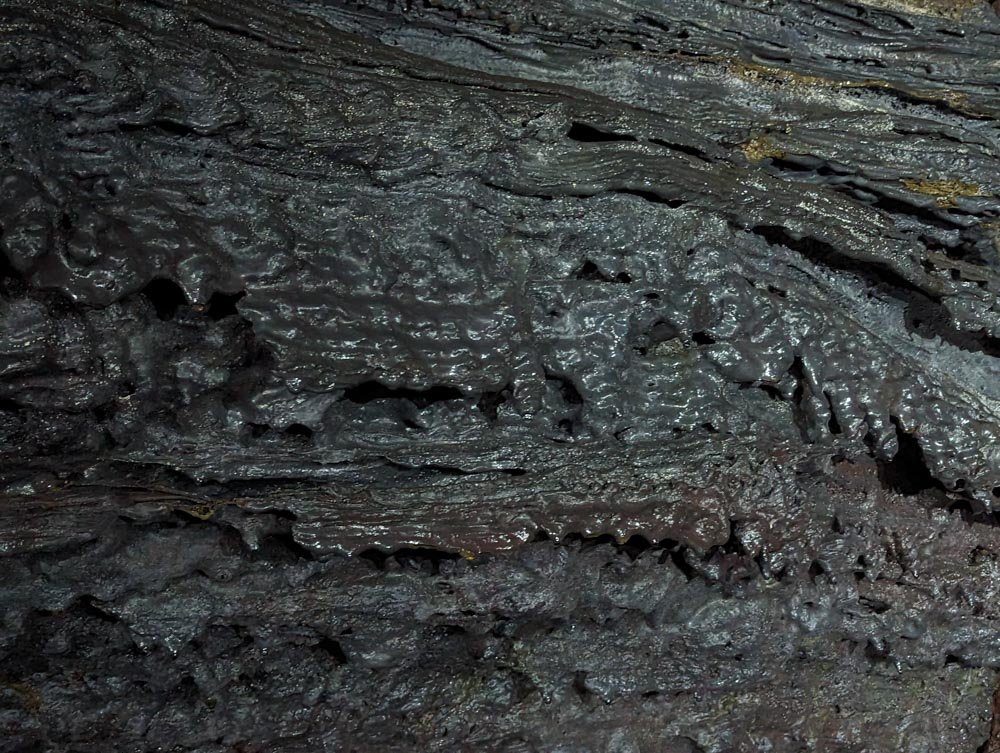
As you move deeper inside, you start to notice the formations on the ceiling and walls. When the lava solidified, it created stalactites dark, metallic-looking structures that dripped from the ceiling while the rock was still partially molten and then froze in place. Some are short and stubby. Others hang long and dramatic overhead. They are everywhere, and each one is slightly different
How Iceland's Lava Tunnel Actually Formed
Walking through the tunnel, the geology starts to make sense the more your guide explains it. Lava tubes like Raufarhólshellir form when the surface of a lava flow cools and solidifies while molten lava continues moving underneath. Think of it like a river freezing on top while the water keeps flowing below. Eventually the lava drains away completely, leaving behind a hollow tunnel.
Raufarhólshellir specifically formed during the Leitahraun eruption approximately 5,200 years ago, east of Bláfjöll the Blue Mountains in the capital region. The tunnel stretches 1,360 metres in total and in places reaches up to 30 metres wide and 10 metres high. Standing in the main passage and looking up at the ceiling, the scale is genuinely hard to process.
Where the tunnel roof has partially collapsed over millennia, skylights let in natural light and air in winter, these same openings allow snow and ice inside, creating dramatic ice pillars and frost formations near the entrance that are some of the most beautiful things I have ever seen in a cav
The Lava Tunnel Tour — What to Expect
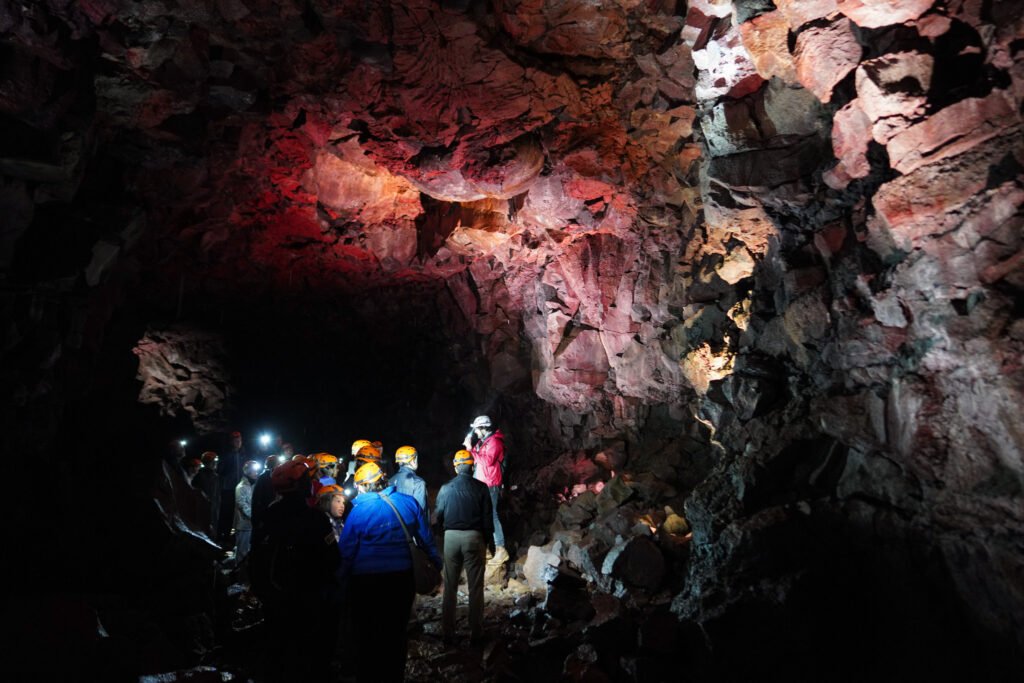
You must book a guided tour to access the tunnel independent access is not permitted. Tours depart regularly throughout the day and you can book directly at thelavatunnel.is. Walk-ins are occasionally accepted but slots fill quickly, especially in summer, so booking in advance is strongly recommended.
On arrival you receive all the equipment you need helmet and flashlight included. Our guide was excellent; knowledgeable, enthusiastic, and brilliant at making the geology genuinely interesting rather than dry. Throughout the hour-long tour, they pointed out formations, explained the science, and revealed details I would never have noticed on my own.
The tunnel is 1.4 km long in total and the standard tour covers the most impressive section on a well-lit walkway. It’s suitable for most fitness levels and ages. There is also an Extreme Tour option that ventures beyond the lit section into narrow passages requiring crawling and scrambling proper fitness and full caving equipment are required for that one.
One thing I didn’t expect people hold weddings down there. And occasionally, musical performances too. If you ever get the chance to attend a concert inside Raufarhólshellir, I imagine it would be one of the most unique experiences of your life.
What to Pack for the Iceland Lava Tunnel
The tunnel stays cool year-round regardless of the season, so packing right makes a real difference to your comfort. Here is exactly what to bring:
Clothing
- Warm layers — a fleece or light down jacket is ideal even in summer
- Long trousers — the rock surfaces are rough and temperatures drop noticeably underground
- Gloves — optional in summer but worth bringing in winter when ice formations are present
Footwear
- Sturdy closed-toe shoes with good grip — hiking boots are ideal but good trainers work perfectly for the standard tour
- Avoid sandals, flip flops or smooth-soled shoes entirely
Camera Tips
- The tunnel is lit but still quite dark — a camera that handles low light well is a big advantage
- A wide-angle lens captures the scale of the main passage beautifully
- A small tripod or gorilla pod helps with longer exposures that really bring out the mineral colours
- Your phone camera will work but manual mode gives far better results
- In winter, the ice formations near the entrance are the most photogenic moments — give yourself extra time there
Other Essentials
- Helmet and torch are provided on all guided tours
- Water — it’s more physical than it looks
- Small cash for the visitor centre
Other Lava Tunnels Worth Exploring in Iceland
Raufarhólshellir is the most accessible lava tunnel in Iceland but it is far from the only one. If the underground world has got under your skin, here are a few others worth adding to your Iceland itinerary:
Þríhnúkagígur — Inside the Volcano
This is unlike anything else on earth. Rather than walking through a lava tunnel, you descend by cable lift 120 metres down into an actual empty magma chamber inside a dormant volcano. The colour palette inside is extraordinary — reds, yellows, blues and purples coating walls wide enough to fit the Statue of Liberty. It is an expensive experience but genuinely bucket list worthy.
Vatnshellir Cave — Snæfellsnes Peninsula
Located about 3 hours from Reykjavík on the Snæfellsnes Peninsula, Vatnshellir dives 35 metres below the surface into a lava tunnel extending 200 metres. The vivid red and orange hues of the frozen lava inside are stunning — a great addition to a Snæfellsnes day trip.
Leiðarendi Cave — Near Reykjavík
Located close to the Blue Mountains in the Tvíbollahraun lava field, Leiðarendi is a more adventurous option than Raufarhólshellir. It features beautifully polished walls, stalactites and stalagmites, and glimmering ice sculptures — but requires a helmet and headlamp and is a rawer, less guided experience. Perfect for those who want to step it up a notch.
Best Time to Visit the Iceland Lava Tunnel
The great news is that the tunnel is open year-round and the underground temperature stays consistent regardless of what is happening above ground. This actually makes it one of the best things to do in Iceland on a bad weather day — which, as I discovered, happens often.
That said, each season offers something slightly different:
Winter (November – March)
The most dramatic time to visit. Ice pillars and frost formations build up near the entrance during the colder months and are genuinely breathtaking — unique to this season and not something you see in summer. If you want the most visually striking experience, winter is the one.
Spring and Autumn
The best balance of good conditions and manageable visitor numbers. Late spring and early autumn are ideal for avoiding the summer crowds while still enjoying reasonable daylight for the drive out.
Summer (June – August)
The most popular time. The tunnel is fully open and accessible but expect more visitors, particularly on weekends. Book tickets well in advance — tours fill up faster than you would expect during peak season.
Regardless of when you go — always confirm operational status before making the drive out as tours occasionally pause during severe weather or on select holidays.
Visitor FAQ
For the standard tour, no. The walkway is well maintained and lit throughout, making it suitable for families and most ages and fitness levels. Those with mobility issues should check accessibility in advance as some sections involve steps.
The guided tour lasts approximately one hour and covers the most impressive section of the tunnel. Factor in 30–40 minutes of travel time from Reykjavík.
Yes — it is actually a brilliant experience for kids. The geology is fascinating, the guide brings it to life brilliantly, and the scale of the tunnel impresses young visitors every time. Warm layers are especially important for little ones.
Entrance is around ISK 7,000 per adult for the standard guided tour. Prices vary for children and for the Extreme Tour option. Always check the official website for current pricing before you go.
No — the guided tour is mandatory, which is genuinely a good thing. The guides add so much context and knowledge that the experience is far richer than wandering independently would be
The Standard Tour follows a lit walkway suitable for most visitors and lasts about an hour. The Extreme Tour ventures beyond the lit section into narrow passages requiring crawling, scrambling, and full caving equipment — proper fitness is required.
Yes, with regular daily departures. Winter schedules may be reduced so always confirm before you go.
Why the Lava Tunnel Should Be on Your Iceland Bucket List
I went to Iceland wanting to see active lava. Instead, I got something older, quieter, and in many ways more profound — a tunnel carved by an eruption 5,200 years ago, still perfectly preserved, still breathtaking.
Raufarhólshellir is not just a rainy day backup plan. It is one of the most genuinely unique experiences Iceland has to offer, and it deserves a spot on your itinerary regardless of the weather. Go for the geology, stay for the colours, and leave with a completely different understanding of what this extraordinary country is made of.
For more Iceland travel inspiration, check out my destinations page and don’t forget to grab my free visual map of what to see and do in Iceland on my resources page.
Until next time — happy travels!