
The Quick Guide to Watamu, Kenya:
Many travelers picture a specific image of a vacation in Kenya. For instance, they think of dusty jeeps and the Maasai Mara. While the safari experience is pure magic, a completely different world awaits you further east. Many people visit Diani for its white-sand beaches. Yet, Watamu rarely makes the evening news. It is a tranquil coastal town on the Indian Ocean. You will find it about 105 km north of Mombasa and 15 km south of Malindi. The term Watamu loosely translates to “of sweet people,” although the name historically arose from the trade in sweets.
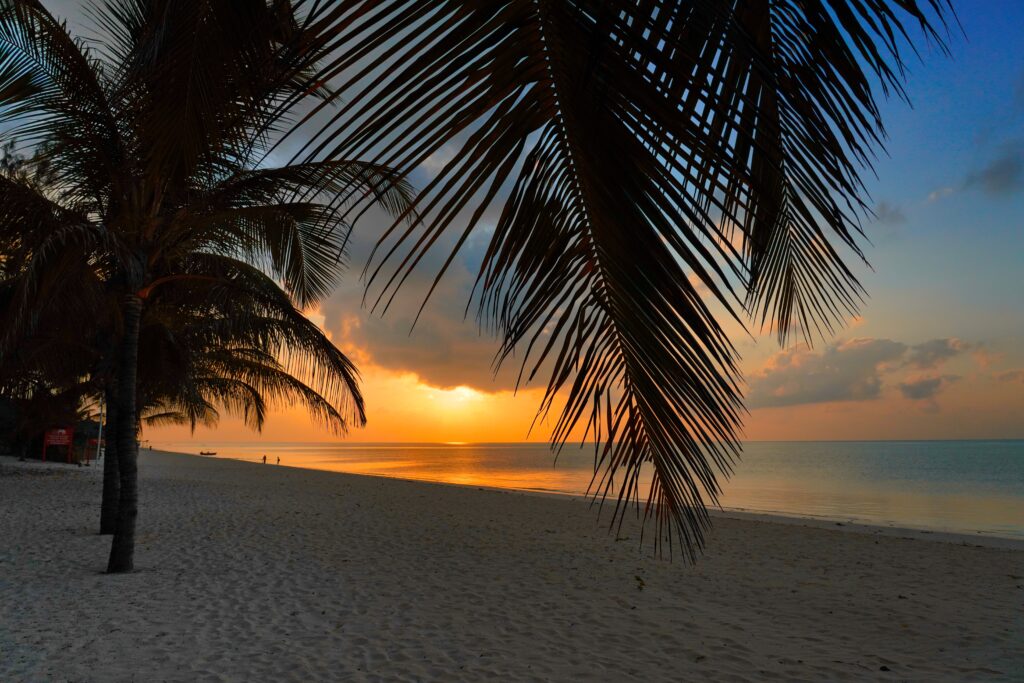
Watamu is rapidly becoming East Africa’s premier beach destination. It is best known as a pristine paradise of white sands and vibrant coral reefs. Additionally, the town boasts a unique blend of Swahili and Italian cultures, and the world here moves at pole pole (Swahili for “slowly”).
It is also a famously good spot for kitesurfing, diving, and snorkeling. Because the Watamu Marine National Park is a protected biosphere, the water is so incredibly clear that you don’t even need to be a strong swimmer to see sea turtles, vibrant coral, and dolphins.
Here is why Watamu should be on your bucket list when you visit Kenya’s coast.
How to get there:
Getting to Watmu is easier than you might think. One way is to fly into Malindi Airport (MYD), which is the closest airport with domestic flights from Nairobi. It is a 30-minute taxi ride away. Alternatively, you could also fly into Mombasa (MBA) and drive 2.5 hours north. Another option is to take the SGR train to Mombasa, then enjoy a scenic two-hour taxi ride up the coast to Watamu.
When is the best time to visit Watamu?
The best time to visit Watamu depends on what you are coming to do. Are you coming for snorkelling, diving, or the megafauna? Like most parts of the country, it enjoys a tropical climate, but understanding the trade winds will help you plan a perfect trip.
- For Coole Breeze & Whale watching (July to October)
July to October is usually the ideal time for travellers, as it is the peak season. The weather is slightly cooler and less humid, with an average temperature of 25°C (77°F). This makes it a good time to explore. It’s also a good window when humpback whales migrate past the Watamu coast!
- For Fun seekers & scuba divers(November to April)
If you love the tropical weather, this is the ideal season for you. During these months, temperatures can reach 30°C (86°F) or higher. The Kaskazi (northeastern) winds bring calm, incredibly clear waters, creating absolute perfection for snorkeling and deep-sea diving. Despite the heat, it is the perfect month for a postcard-worthy beach day.
The best things to in Watamu
- Dive into the Watamu Marine National Park
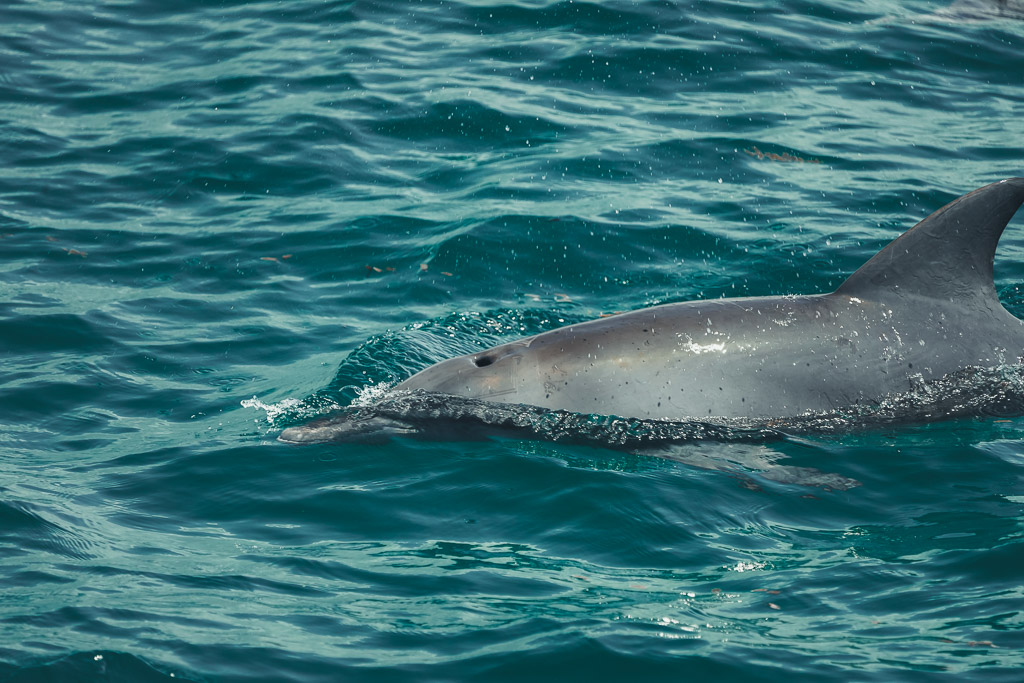
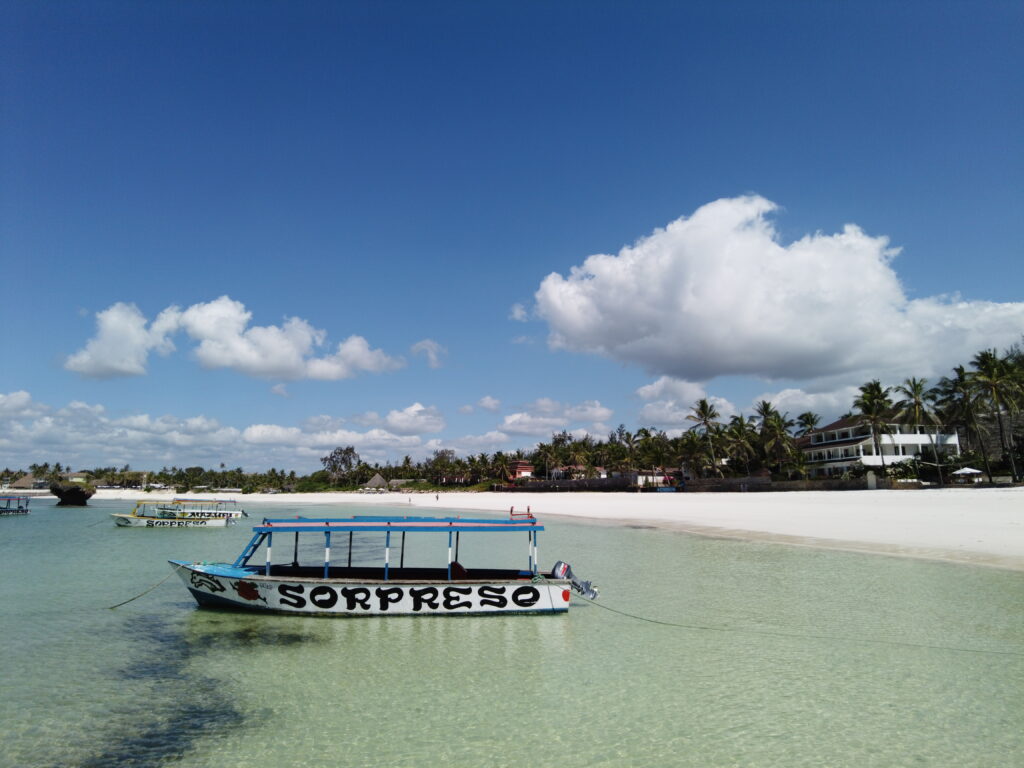
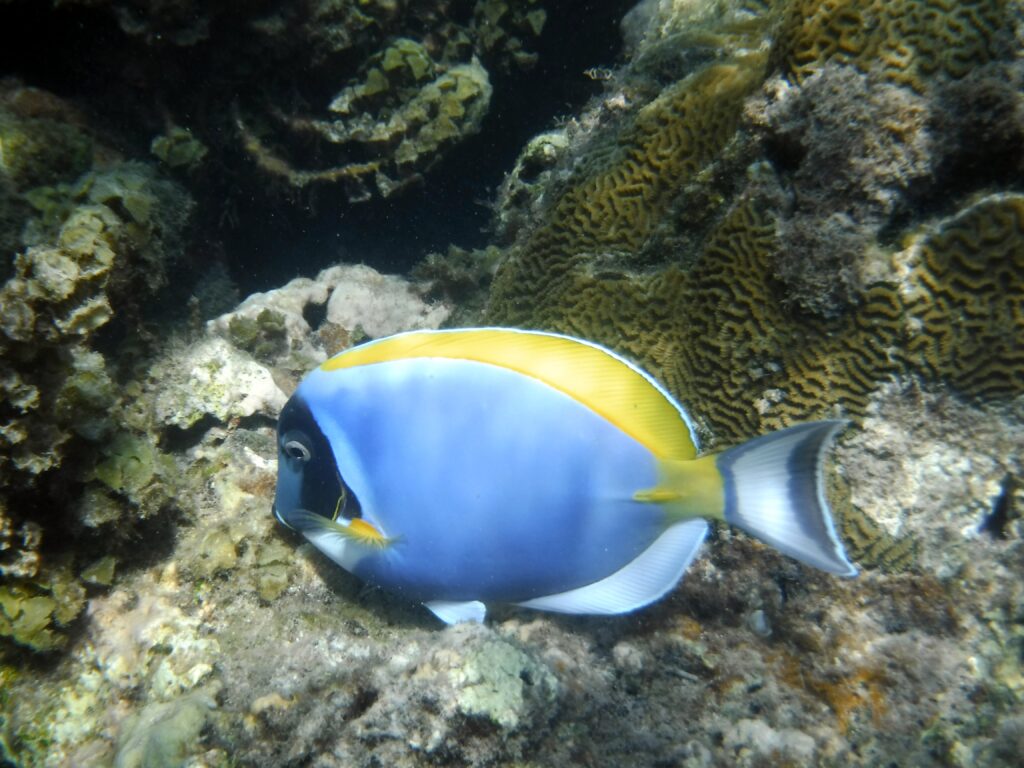
Watamu is home to one of the oldest marine parks in Africa. Unlike standard beaches, the offshore coral formations here create calm lagoons teeming with life. Whether you are snorkeling, diving, or taking a glass-bottom boat tour, you can expect to see green sea turtles, manta rays, and hundreds of species of tropical fish. However, don’t forget to book an early-morning boat trip, though, to spot the resident pods of bottlenose dolphins playing in the wake.
- Experience the culture
Watamu offers a fascinating culinary and cultural duality. On one hand, you can immerse yourself in authentic coastal Swahili culture, wandering through local markets and dining on fragrant pilau, freshly caught snapper, and coconut-infused curries. On the other hand, Watamu has historically had a large Italian expat community. Because of this, you will find some of the best, most authentic wood-fired pizza, handmade pasta, and artisan gelato outside of Italy, often served right on the beach.
- Mida Creek
Mida Creek is a sprawling tidal inlet surrounded by lush mangrove forests. It is a completely different vibe from the open ocean.
Travel Tip: Book a sunset dhow (traditional wooden sailing boat) cruise. Floating through the quiet mangroves with a cold drink in hand as the sun dips below the horizon is unforgettable. You can also explore the creek by stand-up paddleboard or walk the famous suspended boardwalks.
- Visit the Gedi Ruins
Just a few minutes outside of Watamu lies one of Kenya’s greatest mysteries: the Gedi Ruins. Hidden deep within the Arabuko Sokoke Forest, these are the remains of a highly advanced, 12th-century Swahili town that was mysteriously abandoned. Today, walking through the stone palaces and mosques, now intertwined with massive baobab roots, feels like stepping onto an Indiana Jones set.
Where to stay
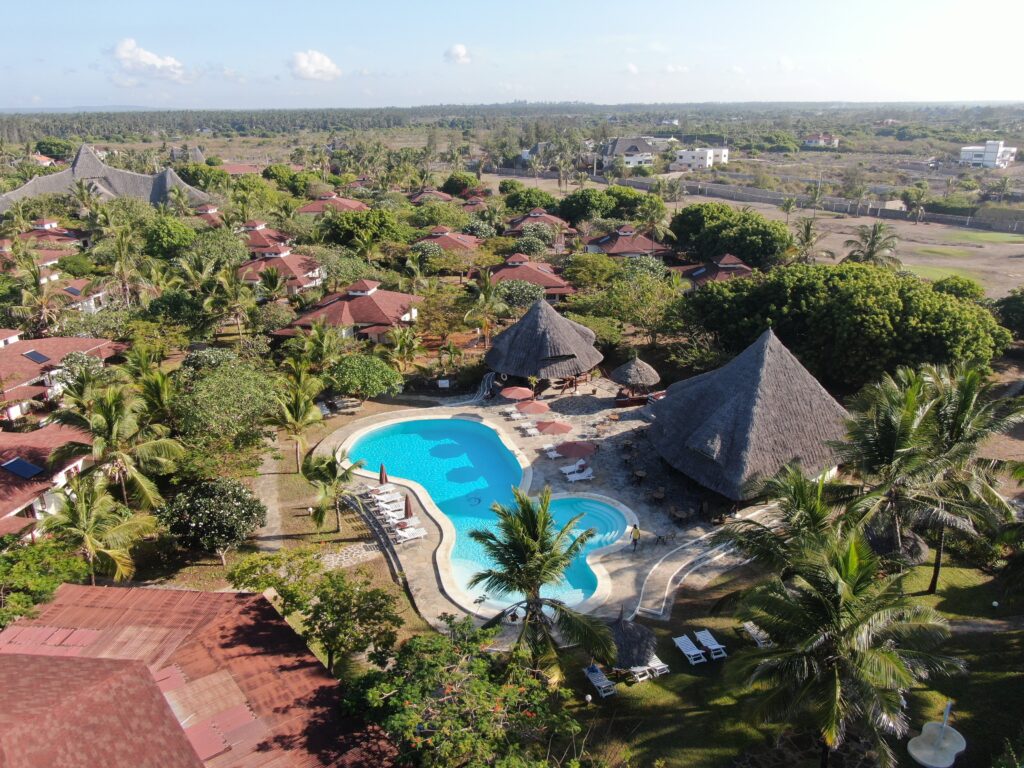
Finding places to stay solely depends on your vibe, and Watamu caters to every traveler’s style.
- Luxury Resorts: Expect beachfront infinity pools, private beach access, and world-class spas right on the edge of the Marine Park.
- Boutique Villas & Airbnbs: Perfect for groups or families, there are stunning, white-washed Swahili-style villas available for rent, often coming with a private chef to cook local seafood.
- Eco-Camps & Backpacker Hubs: If you want to connect with nature, look into the eco-lodges situated near Mida Creek or the lively backpacker hostels that offer a great social scene.
Life, Unpacked: The Reality of the Coast
I wouldn’t be telling the full story if I didn’t share a few realities of traveling to Watamu. It is an absolutely incredible place, but here are a few things to keep in mind, whether you are traveling there for the first time or returning.
The Beach Boys: When strolling along the main beaches, expect to be approached by local vendors (affectionately known as ‘beach boys’) selling everything from tours to souvenirs. While it can feel a bit overwhelming for first-timers, a firm but polite “hapana, asante” (no thank you) with a warm smile is usually all it takes. Remember, they are just making a living, and the world is friendly when you meet it with kindness.
The Humidity is Real: If you are coming from Europe or North America, the coastal humidity hits you like a wall. Leave the heavy makeup and synthetic clothes at home. Embrace the frizzy hair and live in linen.
Embrace “Pole Pole”: Things do not run on a strict European timetable here. A taxi might be 15 minutes late; your dinner might take an hour to arrive. If you fight it, you’ll be frustrated. If you lean into it, you’ll find it’s the most relaxing way to live.
A Little Cash: Although many establishments accept credit cards or M-Pesa (Kenya’s mobile money system), it is always smart to carry some physical Kenyan Shillings. You will need cash for smaller vendors, tipping, or grabbing a quick tuk-tuk ride.
Dramatic Tides: Watamu’s beaches are highly tide-dependent. At low tide, the ocean retreats hundreds of meters, exposing fascinating rock pools and sandbars. Conversely, at high tide, the water can reach the retaining walls in certain areas. Always check the local tide charts before planning your beach day!